
The brief tends to arrive in some version of the same sentence: engaging, professional, memorable — and please keep it under [X]. Which is a completely reasonable ask. The problem isn’t the budget. It’s that most people approach entertainment as a line item to minimise rather than a lever to use.
Used well, a modest entertainment budget can achieve a lot. Used poorly, a generous one can disappear without anyone being sure why the night felt flat. This guide covers how to make smart decisions when the budget is limited — starting with the question most people ask last.
Start with One Question: What Should Guests Feel?
Before you look at acts, quotes, or packages, settle on what you want guests to feel during the event. Relaxed and ready to connect? Energised and celebratory? Impressed? Pleasantly surprised? The feeling comes first. Once you know what you’re trying to create, it becomes much easier to identify what can create it — and what you can skip.
When corporate entertainment goes wrong on a tight budget, it’s almost always because the act was chosen on price alone, without that prior question being answered first.
The Big Three: Music, Mood, or a Single Wow Moment
When budget is limited, you can’t maximise everything. What you can do is focus. Most successful events choose one — sometimes two — of the following.
1. Music: Setting the Atmosphere
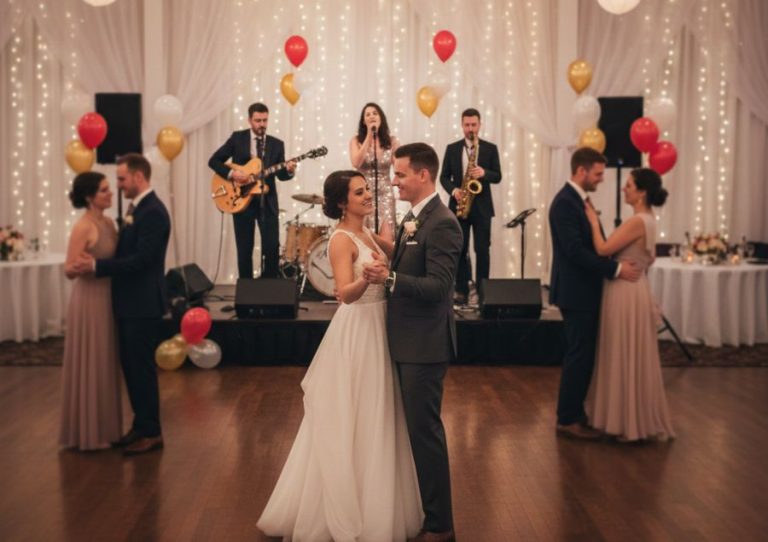
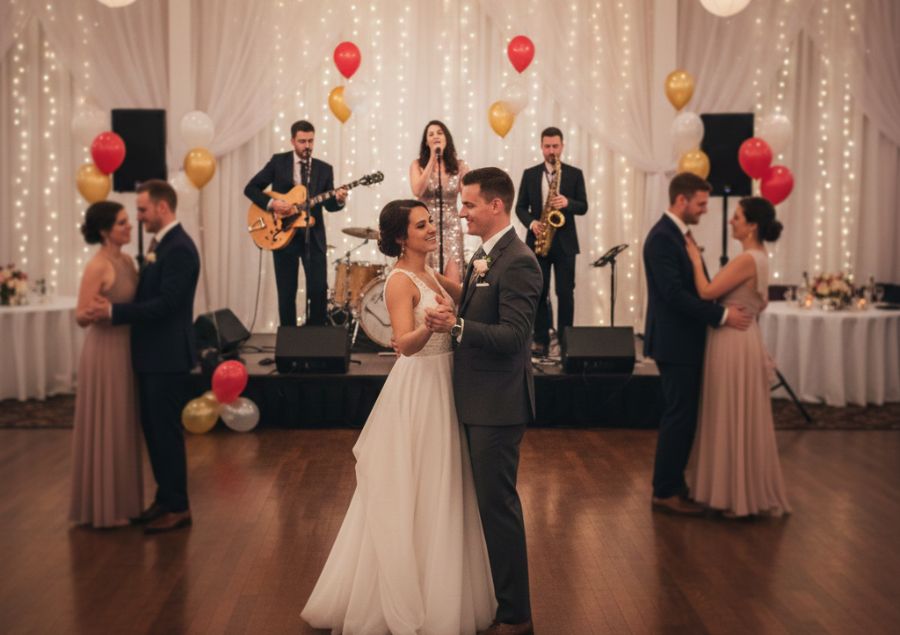
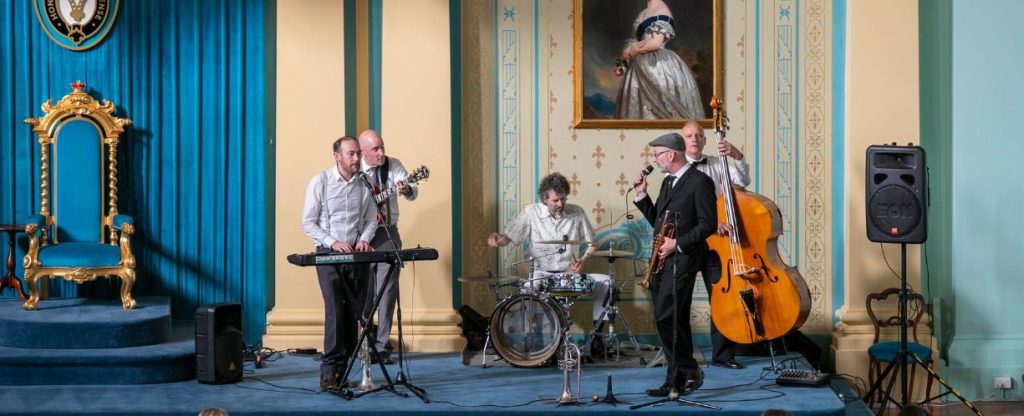
Music is often the most cost-effective way to shape an event’s feel. It fills silence, sets pace, and influences how long guests stay engaged. When music is the priority, consider acoustic duos or solo musicians instead of full bands, jazz trios or lounge-style performers for networking events, or a DJ paired with light live elements for flexibility.
You don’t need wall-to-wall sound. Thoughtfully placed live music at key moments — arrival, networking, post-dinner — often has more impact than entertainment running continuously for four hours.
2. Mood: Creating a Seamless Experience
Mood-focused entertainment works subtly but effectively. Roving performers, interactive acts, and background artists can elevate a room without overwhelming it — and often require less technical setup and shorter booking windows, which makes them genuinely budget-friendly when you’re working with constraints.

3. Wow Factor: One Memorable Moment
If you can only concentrate your budget in one place, concentrate it well. A short, well-chosen performance — a mentalist, a specialty act, something the room didn’t see coming — becomes the thing guests talk about afterwards. Spreading the budget across multiple mediocre acts rarely achieves what a single act that properly lands can.
Shorter Performances Often Deliver Better ROI
One of the most common budgeting mistakes is assuming entertainment needs to run for the whole event. In reality, a well-timed 45 to 60-minute feature performance often feels more premium than four hours of background entertainment. Entertainment during peak engagement moments — guest arrival, post-dinner, the final hour — delivers maximum impact. Entertainment during the quiet middle of a long evening often doesn’t.
Choose Acts That Adapt
When money is tight, flexibility becomes invaluable. Acts that adjust to room size, audience energy, and changing running orders give you far more control over the result. Avoid entertainment that requires large staging, strict performance windows, or extensive technical riders. These hidden requirements inflate costs well beyond the quoted fee — and reduce your ability to respond when the event doesn’t run exactly to plan (which events rarely do).
Let Entertainment Support Your Event Goals
Entertainment shouldn’t exist independently of the event’s purpose. When chosen strategically, it can actively reinforce what you’re trying to achieve. Ask yourself: will this encourage people to stay longer? Help break the ice in the first hour? Support networking and conversation? Reinforce the tone or brand of the organisation?
Entertainment that serves the goal delivers better value — even at a lower price point.
Timing Matters as Much as the Act
The when matters as much as the what. Entertainment during high-engagement moments is seen and remembered. Entertainment during transitions or distracted periods — even great entertainment — often goes unnoticed. Smart timing means a modest act can feel deliberately placed rather than like a budget compromise.
Avoid These Budget-Draining Mistakes
A few decisions consistently erode event entertainment budgets without improving the experience:
- Overbooking multiple smaller acts instead of one strong one
- Paying for extended hours that guests don’t fully experience
- Ignoring venue restrictions that limit setup or volume
- Choosing acts that don’t suit the audience or the room
Think Beyond the Event Day
The return on entertainment isn’t always measured in real time. Great entertainment increases post-event conversation, improves overall satisfaction, and shapes how the organisation is remembered long after the evening itself. When the entertainment becomes part of the story people tell, it has done its job well above its price tag.
Smart Choices Beat Big Budgets
Planning corporate entertainment on a tight budget isn’t about settling for less — it’s about choosing with more precision. Prioritise the right elements, time them well, choose adaptable acts, and focus your budget where people are actually paying attention.
Guests rarely remember how much you spent. They remember how the event made them feel. With the right approach, that feeling doesn’t require a large budget — just a clear head about what you’re actually trying to create.
Helpful reading;